
Volkswagen Maintenance Schedule PDF: An Overview
Maintaining your Volkswagen requires adherence to a specific schedule, often detailed in a PDF format. This document outlines 22 service types over 250,000 kilometers, ensuring optimal performance and longevity.
Understanding the Importance of a Maintenance Schedule
Regular Volkswagen maintenance, as outlined in the official schedule PDF, is crucial for preserving vehicle reliability and value. Following the recommended intervals – encompassing 22 service types over 250,000 kilometers – proactively addresses potential issues before they escalate into costly repairs.
Consistent servicing ensures optimal engine performance, efficient fuel consumption, and the continued functionality of vital systems. Ignoring maintenance can lead to diminished safety, reduced resale value, and even complete component failure. A well-maintained Volkswagen also benefits from extended warranty coverage in many cases.
Factory-recommended schedules, accessible via PDF downloads or through a Volkswagen technician, are tailored to your specific model and driving conditions. These schedules detail everything from oil changes and filter replacements to more complex procedures, guaranteeing your vehicle remains in peak condition throughout its lifespan.
Locating the Official Volkswagen Maintenance Schedule PDF
Finding the official Volkswagen maintenance schedule PDF is essential for proper vehicle care. While a centralized, universally accessible PDF isn’t readily available online, several avenues exist to obtain this crucial document.
Firstly, your local Volkswagen dealership is the most reliable source. They can provide a PDF specific to your vehicle’s model year and trim. Alternatively, many dealerships offer digital access to service information through their websites or customer portals.
Secondly, accessing maintenance information by your Vehicle Identification Number (VIN) can unlock tailored schedules. Online Volkswagen service portals, often requiring account creation, utilize the VIN to display precise maintenance requirements. Remember to consult official Volkswagen resources to ensure accuracy and avoid relying on third-party interpretations.

Model-Specific Maintenance Schedules
Volkswagen maintenance varies by model; schedules for the Tiguan, Jetta, and ID.3 differ, requiring tailored service plans detailed within specific PDF guides.
Volkswagen Tiguan Maintenance Schedule (Example ― 2022)
For a 2022 Volkswagen Tiguan, the maintenance schedule encompasses a range of services performed at specific intervals. These intervals are typically outlined in a comprehensive PDF document available through Volkswagen or a certified dealer. Initial services, around the 10,000 km mark, focus on oil changes, filter replacements (cabin, air, and fuel), and thorough inspections of vital components like brakes, tires, and fluids.
As mileage increases, the schedule incorporates more in-depth checks. At approximately 30,000 km, expect intermediate services including brake fluid replacement and more detailed system diagnostics. Major services, around 60,000 km, may involve spark plug replacement, transmission fluid changes, and cooling system inspections. The complete 250,000 km plan details all 22 service types, ensuring long-term reliability and adherence to factory recommendations. Accessing the official PDF provides precise details tailored to the 2022 Tiguan’s specifications.
Volkswagen Jetta Maintenance Schedule (2010 & Newer)
Volkswagen Jetta models from 2010 onwards follow a structured maintenance schedule, typically detailed within a downloadable PDF. This schedule, similar to other VW models, emphasizes preventative care to maximize vehicle lifespan. Initial services, around 10,000 km or 6 months, prioritize oil and filter changes, tire rotations, and comprehensive inspections of braking and lighting systems.
Intermediate services, occurring around 30,000 km or every two years, expand upon these basics, including fluid level checks, cabin air filter replacement, and more detailed diagnostic assessments. Major services, at 60,000 km or four years, may involve spark plug replacement, brake fluid flushes, and cooling system inspections. The complete 250,000 km service plan outlines all 22 service types. Obtaining the official PDF ensures adherence to Volkswagen’s factory-recommended intervals for your specific Jetta model year.

Volkswagen ID.3 Maintenance Considerations
Maintaining a Volkswagen ID.3, as an all-electric vehicle, presents unique maintenance considerations compared to traditional combustion engine models. While lacking oil changes and many engine-related services, the ID.3 still requires a regular maintenance schedule, often accessible as a PDF document. Key areas of focus include brake system checks (due to regenerative braking reducing pad wear), tire rotations, and coolant level inspections for the battery thermal management system.
The high-voltage battery itself requires periodic health checks, though long-term maintenance specifics are still evolving. Software updates are crucial for optimal performance and efficiency. Owners should consult the official Volkswagen PDF maintenance schedule for the ID.3, as well as online forums dedicated to the model, to stay informed about the latest recommendations and address any emerging issues specific to this electric vehicle.

Key Maintenance Intervals & Services
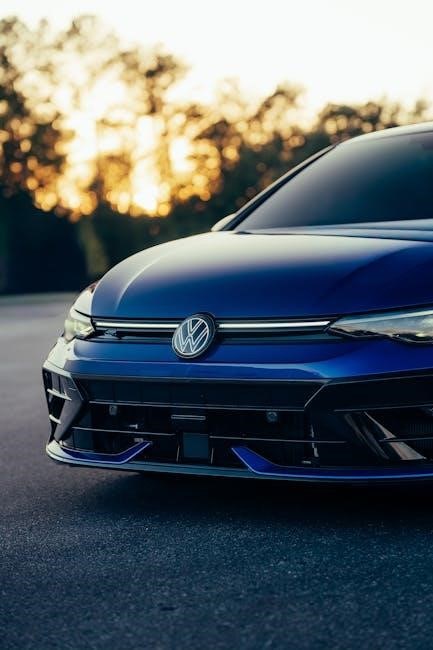
Volkswagen maintenance is structured around intervals – 10,000 km/6 months for basic services, 30,000 km/2 years for intermediate, and 60,000 km/4 years for major checks.
Every 10,000 km / 6 Months: Basic Services
Regular, shorter interval services are crucial for maintaining your Volkswagen’s health. Every 10,000 kilometers or six months – whichever comes first – necessitates a set of basic, yet vital, maintenance checks. These typically include an oil and filter change, utilizing Volkswagen-approved lubricants to ensure engine longevity and optimal performance.
A comprehensive visual inspection is also performed, covering essential components like brake pads, discs, and lines, alongside tire condition and pressure. Fluid levels – coolant, brake fluid, and windshield washer fluid – are topped off as needed. Furthermore, the vehicle’s lighting system is thoroughly checked to guarantee visibility and safety. These basic services proactively address potential issues, preventing them from escalating into more significant and costly repairs down the line, ultimately preserving your Volkswagen’s value and reliability.
Every 30,000 km / 2 Years: Intermediate Services
Building upon the basic services, the 30,000 km or 2-year interval introduces more in-depth checks and replacements. Alongside the oil and filter change, and comprehensive fluid level top-ups, this service includes inspection of the brake system components for wear and tear, potentially requiring pad replacement.
The cooling system receives focused attention, with coolant condition assessed and replaced if necessary, preventing overheating and engine damage. Air filter replacement is standard, ensuring optimal engine airflow and fuel efficiency. Additionally, a detailed inspection of suspension components – shocks, struts, and bushings – is conducted to identify any signs of deterioration. This intermediate service aims to proactively address emerging issues, maintaining your Volkswagen’s performance and preventing more extensive repairs, contributing to a smoother and safer driving experience.
Every 60,000 km / 4 Years: Major Services
Reaching the 60,000 km or 4-year mark necessitates a comprehensive major service, encompassing all previous checks and replacements, plus several critical additions. This includes a spark plug replacement, vital for efficient combustion and engine performance. The timing belt (where applicable) is inspected, and replacement is scheduled if nearing its lifespan, preventing catastrophic engine failure.
Fuel filter replacement ensures clean fuel delivery, optimizing engine efficiency and protecting fuel injectors. A thorough inspection of the exhaust system identifies leaks or corrosion. Furthermore, the service includes a detailed examination of steering and driveline components, addressing any potential issues. Brake fluid is flushed and replaced to maintain optimal braking performance. This major service represents a significant investment in your Volkswagen’s long-term reliability, proactively addressing potential problems and ensuring continued safe operation.
Understanding the 250,000 km Volkswagen Service Plan
Volkswagen’s comprehensive service plan spans 250,000 kilometers, incorporating 22 distinct service types designed to maintain peak performance and vehicle longevity.
The 22 Service Types Included

The Volkswagen maintenance and service schedule is remarkably detailed, encompassing a total of 22 distinct service types spread across the vehicle’s lifespan, up to 250,000 kilometers. These services aren’t simply oil changes; they represent a holistic approach to vehicle health. Expect routine inspections of critical components like brakes, fluids, belts, and hoses.
More extensive services include spark plug replacements, air filter changes, coolant flushes, and transmission servicing. The schedule also accounts for specific model requirements, ensuring tailored care. Diagnostic checks utilizing advanced tools are integrated to proactively identify potential issues before they escalate into costly repairs.
Furthermore, the plan often includes software updates to optimize performance and functionality. Adhering to this schedule isn’t merely about maintaining a warranty; it’s an investment in the vehicle’s reliability, safety, and resale value, providing peace of mind for Volkswagen owners.

Service Customization & Factory Recommendations
Volkswagen emphasizes tailoring maintenance to your specific vehicle, moving beyond a one-size-fits-all approach. Factory recommendations, detailed within the maintenance schedule PDF, are crucial; These aren’t arbitrary suggestions; they’re based on extensive engineering analysis and real-world performance data.
Customization considers factors like driving habits – frequent short trips versus long highway journeys – and environmental conditions. For example, vehicles operating in dusty environments may require more frequent air filter replacements. Expert, Volkswagen-trained technicians are best equipped to interpret these recommendations and apply them correctly.
They utilize diagnostic tools and their specialized knowledge to identify potential issues proactively. Deviating from the factory schedule can void warranties and potentially lead to premature wear and tear. Following these guidelines ensures your Volkswagen receives the precise care it needs, maximizing its lifespan and maintaining its value.
Accessing Maintenance Information by VIN
Your Volkswagen’s Vehicle Identification Number (VIN) unlocks precise, factory-installed equipment details, enabling accurate scheduling and personalized maintenance recommendations from the PDF.
Decoding Factory-Installed Equipment
Understanding the specifics of your Volkswagen’s factory-installed equipment is crucial for tailoring its maintenance schedule. The Vehicle Identification Number (VIN) serves as a unique identifier, revealing details about the original components and features equipped at the time of manufacture; This information, accessible through various online decoding tools or directly from a Volkswagen dealership, allows for a precise alignment with the recommended maintenance intervals outlined in the Volkswagen maintenance schedule PDF.
Knowing the exact engine type, transmission, and other key specifications ensures that the correct fluids, filters, and service procedures are applied. For example, a vehicle equipped with specific performance packages might require more frequent or specialized maintenance compared to a standard model. Decoding the VIN helps pinpoint these nuances, preventing potential issues arising from generic service recommendations. Accessing this detailed information empowers owners and technicians to proactively address potential concerns and maintain the vehicle’s optimal condition, referencing the comprehensive PDF guide.
Using the VIN for Accurate Scheduling
Leveraging your Volkswagen’s Vehicle Identification Number (VIN) is paramount for establishing an accurate and personalized maintenance schedule. Instead of relying on generalized guidelines, inputting your VIN into the official Volkswagen service portal or providing it to a certified technician unlocks a tailored plan based on your vehicle’s specific configuration. This ensures adherence to the precise intervals and service requirements detailed within the Volkswagen maintenance schedule PDF.
The VIN-based system accounts for variations in engine type, transmission, and factory-installed options, guaranteeing that each service addresses your vehicle’s unique needs. This proactive approach minimizes the risk of overlooking crucial maintenance items and maximizes the longevity of your Volkswagen. Utilizing the VIN streamlines the scheduling process, providing a clear roadmap for maintaining peak performance and referencing the comprehensive PDF for detailed service descriptions and recommendations, ultimately saving time and potential repair costs.
Volkswagen Maintenance Pricing & Schedules
Service costs vary based on the interval and location; consulting the Volkswagen maintenance schedule PDF and a qualified technician provides accurate pricing estimates.
Cost Considerations for Different Service Levels
Understanding the financial aspect of Volkswagen maintenance is crucial for responsible vehicle ownership. Basic services, occurring every 10,000 km or 6 months, generally involve oil changes, filter replacements, and inspections – typically the most affordable option, ranging from $100 to $300.
Intermediate services, at 30,000 km/2 years, add brake inspections, fluid top-ups, and more detailed checks, increasing costs to approximately $300-$600. Major services, every 60,000 km/4 years, are the most comprehensive, potentially including spark plug replacements, transmission fluid changes, and extensive component inspections, costing $600 and upwards.
The complete 250,000 km service plan, detailed in the Volkswagen maintenance schedule PDF, represents a significant investment, but can prevent costly repairs later. Prices are influenced by location, dealership rates, and specific model requirements. Always obtain a detailed quote before authorizing any work.
Finding a Qualified Volkswagen Technician
Ensuring your Volkswagen receives proper maintenance necessitates a skilled technician familiar with the brand’s specific requirements, as detailed within the Volkswagen maintenance schedule PDF. Opting for a Volkswagen-trained technician guarantees expertise in diagnosing and addressing potential issues accurately.
Authorized Volkswagen dealerships are the most reliable source, employing technicians continuously updated on the latest procedures and utilizing genuine Volkswagen parts. Independent repair shops specializing in German vehicles can also provide competent service, but verify their qualifications and experience.
When selecting a technician, inquire about their certification, experience with your specific model, and access to the necessary diagnostic tools. A qualified technician will thoroughly explain the recommended services based on your vehicle’s mileage and the maintenance schedule, providing transparent pricing and ensuring your Volkswagen remains in peak condition.