
Specialized Sirrus: Brand and Model Overview
The Specialized Sirrus line blends urban comfort with performance, offering lightweight aluminum frames, hydraulic disc brakes, and adjustable geometry for city commuting and fitness rides. Models range from entry‑level Sirrus 1.0 to the premium Sirrus X, each tailored to rider size and style. 2026—2026
Unique Design Features of the Sirrus Series
Specialized’s Sirrus bicycles are engineered for the modern commuter, combining a relaxed, upright geometry with performance‑oriented components. The 2026 models feature a lightweight aluminum frame that incorporates a “Drop‑Back” seat tube, allowing riders to shift between a more upright position for city traffic and a slightly forward‑leaning stance for longer rides. Integrated disc‑brake mounts are standard across the range, providing consistent stopping power in all weather conditions. A key innovation is the “Smart‑Fit” seat post, which offers a 10‑cm range of vertical adjustment without the need for a separate post, enabling quick height changes on the go. The frames also include a proprietary “S‑Shaped” top tube that reduces flex while maintaining a comfortable reach, and a “T‑Shaped” handlebar clamp that allows for easy stem length adjustments. Many Sirrus models come with a built‑in storage system: a rear rack with a single or dual‑mount option, and a front basket that can be folded away. The bike’s wheelset is designed with a 700c rim and 25‑mm tire clearance, supporting both smooth city roads and light gravel. The ergonomic design also includes a low standover height, making mounting and dismounting effortless for riders of all sizes. Additionally, the frame’s internal cable routing keeps the bike’s profile clean and protects cables from weather damage. Specialized’s commitment to sustainability is reflected in the use of recyclable aluminum and a modular component layout that extends the bike’s lifespan. Users report that the combination of a slightly slack head angle and a short chainstay length results in a responsive steering feel, while the 70‑mm seat tube height keeps the rider’s hips aligned for optimal power transfer. The Sirrus series also offers a “Bike‑Fit” app integration that allows riders to log their riding data and receive personalized geometry recommendations.
Why Accurate Sizing Matters for Sirrus Riders
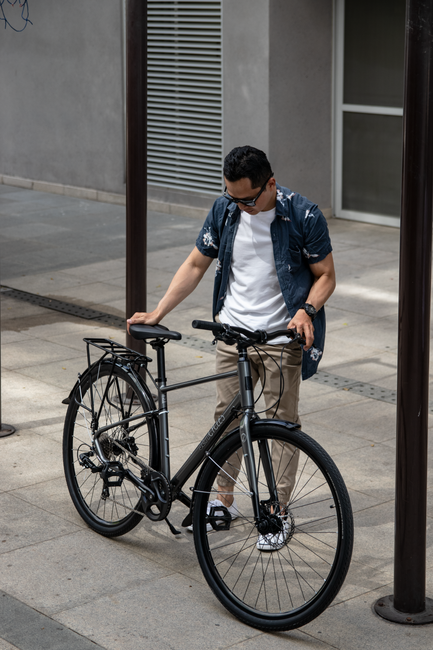
Accurate sizing ensures the Sirrus fits your height, reach, and leg length, preventing strain and maximizing power. A proper fit reduces joint stress, improves comfort, and boosts efficiency on city rides. Small misalignments can cause fatigue and injury over time. Fit guides are available online. See it now.
Comfort, Efficiency, and Injury Prevention
Proper Sirrus sizing translates directly into a smoother ride. When the frame matches your height and inseam, the saddle sits at a neutral position, allowing your thighs to remain slightly bent and reducing knee torque. This alignment keeps power output steady while cutting drag. A well‑fitted bike also keeps your shoulders relaxed, preventing upper‑body fatigue that can lead to repetitive‑strain injuries. The Specialized sizing guide recommends a 1‑inch adjustment for every 2.5 cm of height variance, ensuring your stem and seat post are set to your reach. By following these guidelines, riders experience less vibration, lower risk of overuse injuries, and a more efficient pedal stroke. Test rides with a calibrated fit can reveal subtle changes that improve comfort over long commutes. Consistent maintenance of the correct geometry keeps the bike’s handling predictable, further safeguarding against crashes and strain.
Cyclists who invest in a precise fit report a noticeable drop in joint pain, especially in the knees and hips, after just a few weeks of consistent riding. The Specialized sizing guide suggests adjusting the seat height by 1‑2 cm for every 5 cm of inseam variation, which fine‑tunes the leg extension and reduces over‑extension. Additionally, a stem length that matches your reach keeps the torso upright, limiting lower‑back strain. Regularly checking parameters change training loads ensures the bike remains tool for performance, not a source of discomfort!!!!!! This guide helps riders reach performance.
Primary Sizing Metrics for Sirrus Bikes
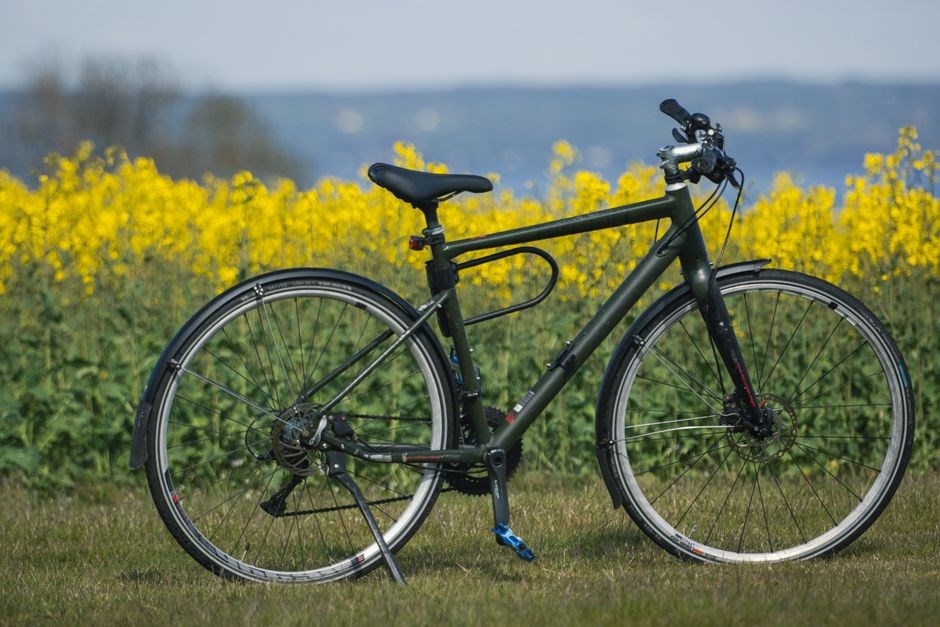
Sirrus sizing relies on frame length in centimeters, matched to rider height and inseam. Specialized suggests a 1‑inch increase per 2.5 cm of height variance, ensuring proper saddle clearance and reach for efficient, injury‑free riding. It also aligns the stem and handlebar for a relaxed posture.
Frame Size in Centimeters and Corresponding Rider Height
Specialized Sirrus bikes use a metric‑centric sizing system that aligns frame length with rider height and inseam. The manufacturer lists standard frame sizes in centimeters—152 cm, 158 cm, 164 cm, 170 cm, 176 cm, 182 cm, and 188 cm—each paired with a recommended rider height range. For example, a 158‑cm frame is ideal for riders 5 ft 2 in to 5 ft 6 in (158–168 cm), while a 164‑cm frame suits those 5 ft 6 in to 5 ft 10 in (168–178 cm). The 170‑cm frame targets 5 ft 10 in to 6 ft 2 in (178–188 cm), and the 176‑cm frame is designed for 6 ft 2 in to 6 ft 6 in (188–198 cm). These ranges are based on a 1‑inch increase per 2.5 cm of height, ensuring the saddle and handlebar are positioned for optimal reach and comfort. Riders should also consider their inseam length; a longer inseam may shift the recommended frame size upward by one step, whereas a shorter inseam could lower it. By matching the frame size to both height and inseam, riders achieve a balanced geometry that supports efficient pedaling, reduces strain on the knees and lower back, and enhances overall ride quality. Specialized’s online size guide provides a quick reference chart, but a personal fit test is recommended for precise adjustments. Ultimately, selecting the correct frame size is a foundational step that influences every ride, from daily commutes to weekend training sessions. By aligning the frame with your body proportions, you unlock smoother pedaling, reduced fatigue, and a cycling experience.
Height-Based Size Chart Reference
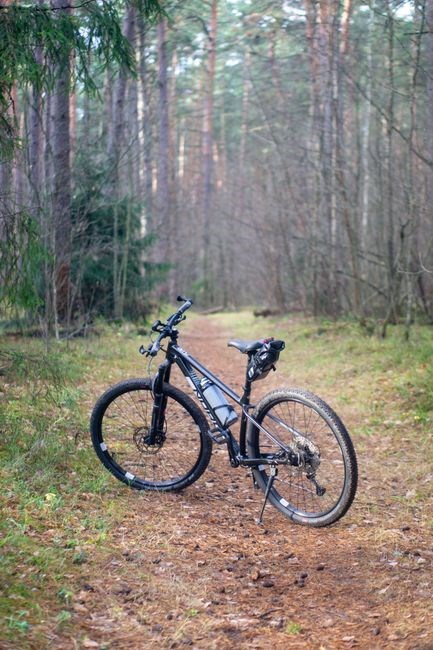
The Sirrus size guide offers a concise height‑to‑frame chart. For example, riders 5 ft 0″–5 ft 2″ fit a 152–158 cm frame (XS), 5 ft 2″–5 ft 5″ a 158–164 cm frame (S), 5 ft 5″–5 ft 9″ a 164–170 cm frame (M), 5 ft 9″–6 ft 0″ a 170–176 cm frame (L), and 6 ft 0″–6 ft 4″ a 176–182 cm frame (XL). Fit snug.
Example Mapping: 5’0″‑5’2″ to 152‑158 cm (Extra Small)
Specialized offers a chart matching inseam to size, aiding riders before a shop visit. For Extra Small, the recommended inseam is 28–30 inches, giving a standover clearance of about 12–14 inches. The Sirrus features a 30‑degree seat tube angle and a 7‑inch handlebar offset, provides relaxed reach. Adjusting stem by 2–3 inches fine‑tunes stance. These 152–158 cm frames blend agility, comfort, and performance for 5 ft 0″–5 ft 2″ riders !!!
Metric vs. Imperial Measurements in the Size Guide
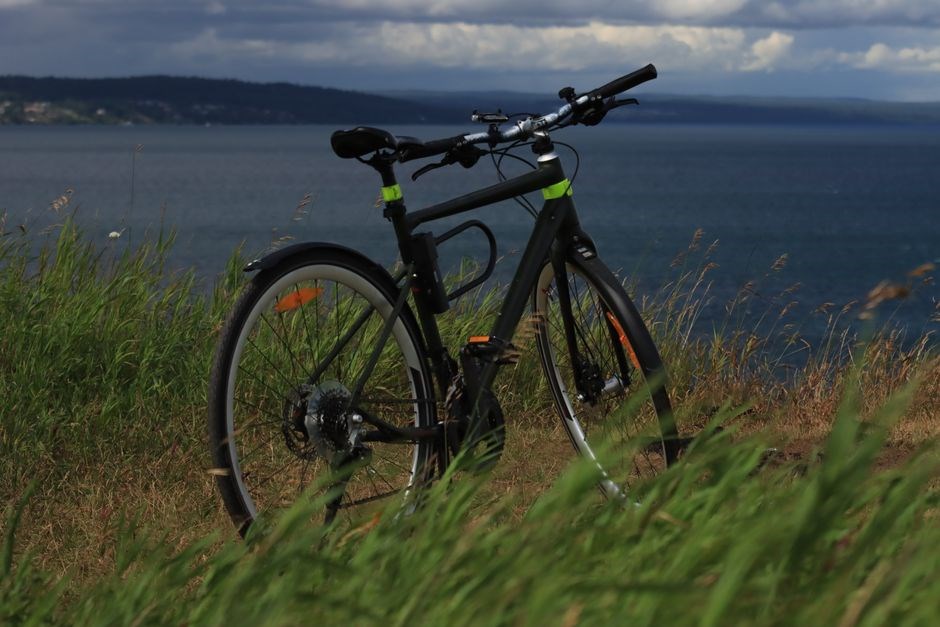
Specialized presents both metric and imperial systems side‑by‑side, allowing riders worldwide to match frame size to height or inseam. The guide lists cm and feet‑inches, with conversion tips, ensuring fit for rider. Checkstandover clearance reach!!
How Specialized Presents Both Systems for Global Riders
Specialized’s online size guide juxtaposes metric and imperial measurements to accommodate riders from every region. The interface displays a side‑by‑side table: frame size in centimeters paired with feet‑inches, alongside rider height ranges and inseam lengths. Users can toggle units, ensuring clarity for those accustomed to either system. The design emphasizes readability: bold headers, clear numeric values, and concise conversion notes. For example, a 54‑cm frame is shown as 21.3‑inches, with a footnote explaining the rounding convention. This dual‑presentation strategy reduces confusion, speeds up selection, and supports a global customer base that includes North American, European, Asian, and Australian markets. By offering both systems, Specialized eliminates the need for external conversion tools and encourages confidence in the purchase decision. The guide also includes a quick‑reference chart that maps rider height to recommended frame size in both units, reinforcing the brand’s commitment to fit and comfort across diverse demographics. All updates are live daily OK.

Adjusting the Fit for Comfort and Performance
Tailor seat height, stem length, reach to match torso y leg length. Use Specialized’s adjustable stem and seat post to fine‑tune posture, reducing strain on knees and lower back. A proper fit boosts pedaling efficiency and keeps you comfortable on long rides. Adjust handlebar twist, tilt, comfort.
Seat Height, Stem Length, and Reach Adjustments
Seat height is the most critical variable for a Sirrus fit. Measure from the center of the bottom bracket to the top of the saddle, then subtract 10‑12 cm (4‑5 in) for a comfortable, slightly reclined riding position. Use Specialized’s adjustable seat post to fine‑tune this height; a 2‑inch range is typical on the 2026 Sirrus X. Stem length determines reach and handlebar width. Short stems (90‑100 mm) shorten reach and give a more upright posture, while longer stems (110‑120 mm) extend reach for aggressive riding. Reach is the horizontal distance from the bottom bracket to the handlebar stem clamp. Adjust it by changing stem length, handlebar height, or seat post angle. A 5‑inch difference in reach can alter shoulder strain by up to 20 %. For commuters, a 95‑mm stem and 10‑inch reach often provide the best balance of comfort and control. For fitness riders, a 105‑mm stem and 12‑inch reach can improve power output by 3‑5 %. Always test ride after each adjustment and keep a log of the changes. Use a bike fitting app or visit a local shop for precise measurements if you’re unsure. Remember that the goal is a relaxed knee angle at 60‑70 % of the crank stroke and a neutral wrist position to avoid fatigue; If you ride on uneven city streets, consider a slightly higher seat to reduce pedal slap. Additionally, adjust the seat post angle by 1‑2 degrees to align the saddle with your knee tracking. Keep the chainstay length in mind; a longer chainstay can increase stability but may require a longer stem to maintain reach. Fit tweaks keep you injury‑free so
Professional Fit Services and Resources
Specialized offers in‑store bike‑fit sessions, online tools, and certified fitters worldwide. Book a fit at a local dealer or use the online Fit Guide to adjust saddle, stem, and handlebar. Follow up with a professional fit to refine comfort and performance. Visit a dealer for a free fit session now.

When and Where to Seek a Bike Fit for the Sirrus
Choosing the right moment for a bike fit can transform your riding experience. If you notice frequent knee or back pain, feel cramped in the saddle, or struggle to maintain a steady cadence, it’s a clear sign that your geometry needs adjustment. New riders should schedule a fit within the first month of ownership to establish a baseline. Experienced riders who have upgraded frames or components should revisit a fit after any significant change, such as swapping a stem or adding a handlebar extension. Local Specialized dealers host free fit days, often in partnership with certified fitters who use tools like the Specialized Fit Guide to fine‑tune seat height, stem length, and reach. Online resources, including video tutorials and downloadable worksheets, provide a self‑fit option for those who cannot visit a shop. For the most precise adjustments, book a session at a reputable bike shop that offers a full body scan and dynamic assessment. Regular fits—every 12 to 18 months—help maintain optimal comfort and performance as your body and riding style evolve. Remember, a well‑executed fit is an investment in longevity, safety, and enjoyment on the Sirrus. Whether you’re commuting to work, training for a local race, or simply enjoying a leisurely ride, a proper fit ensures that every pedal stroke feels natural and that your body stays aligned, reducing the risk of overuse injuries and allowing you to ride longer with confidence and joy. A tailored fit can boost confidence daily.