
The 2024 Subaru Forester owner’s manual offers comprehensive guidance on vehicle features, safety systems․ It details dashboard controls, AWD operation, and troubleshooting tips, ensuring owners can confidently operate and care for their Forester․plus care Access it via the infotainment system․!

Where to Find the Manual
Subaru hosts the 2024 Forester manual PDF at PDF․ Sites such as ManualsLib archive it․ Search “2024 Forester owner manual PDF” for access․
Official Subaru Website
Third-Party PDF Repositories
While Subaru’s official site is the most reliable source, many owners turn to third‑party PDF repositories for quick access to the 2024 Forester owner’s manual․ Popular platforms include Subarunet, which hosts a direct link to the PDF (MSA5M2402A_STIS-opt․pdf) and allows users to download the file in under a minute․ Other sites such as PDFDrive, DriveSavers, and ManualsLib aggregate user‑submitted manuals; they often provide the same 19 MB document, sometimes in compressed formats for faster download․ These repositories typically offer a search bar that lets you locate specific sections—like “Transmission” or “Maintenance Schedule”—without opening the entire file․ However, users should be cautious: some third‑party sites host older versions or incomplete PDFs, and the risk of malware or corrupted files is higher than on the official Subaru portal․ To mitigate these risks, verify the file size (should match the 19 MB official PDF), check for a recent upload date, and scan the file with antivirus software before opening․ Many repositories also provide a preview feature, enabling a quick glance at the table of contents; If you prefer a printable copy, the PDF can be saved to a USB drive or printed directly from the browser․ Always cross‑reference any information found on third‑party sites with the official manual to ensure accuracy, especially for safety‑critical sections such as “Brake System” or “All‑Wheel Drive․” By using reputable repositories and following best practices, owners can quickly obtain the 2024 Forester manual while minimizing security risks․ OK
Manual Overview

The 2024 Subaru Forester manual outlines essential vehicle data, engine specs, and safety systems․ It covers infotainment controls, driver assistance features, and key maintenance guidelines to help owners keep the Forester reliable and safe․It also offers quick charts
Vehicle Information
The 2024 Subaru Forester manual begins with a detailed vehicle information section that lists the model’s key specifications, VIN, engine type, transmission, and drivetrain configuration․ It provides the engine displacement (2․5‑L flat‑four), horsepower (182 hp), torque (176 lb‑ft), and fuel type (regular unleaded)․ The section also notes the standard all‑wheel‑drive system, the 8‑speed automatic transmission, and the vehicle’s curb weight (3,300 lbs)․ It includes a quick reference table of the vehicle’s dimensions: length 176․4, width 70․9, height 65․3, wheelbase 104․9, and cargo 39․2 cu ft․ The manual lists the standard safety features such as EyeSight driver‑assist technology, automatic emergency braking, lane‑departure warning, and rear‑cross‑traffic alert․ It also describes optional packages, including the Premium Package, which adds a 10‑inch touchscreen, Apple CarPlay/Android Auto, and a premium audio system․ The vehicle information section concludes with a summary of the vehicle’s warranty coverage, including a 3‑year/36,000‑mile limited warranty and a 5‑year/60,000‑mile powertrain warranty․ This section serves as a quick reference for owners to verify their vehicle’s configuration and warranty status before diving into more detailed operational instructions․
- Engine: 2․5‑L flat‑four, 182 hp, 176 lb‑ft torque․
- Transmission: 8‑speed automatic, all‑wheel‑drive․
- Dimensions: 176․4 in length, 70․9 in width, 65․3 in height․
- Cargo: 39․2 cu ft rear, 73․4 cu ft with seats folded․
- Warranty: 3‑year/36,000‑mile limited, 5‑year/60,000‑mile powertrain․
details updated annually․
Safety Features
The 2024 Subaru Forester’s safety suite centers on EyeSight® Driver‑Assist, blending adaptive cruise control, lane‑keeping aid, and pre‑collision braking․ Dual forward‑looking cameras mounted on the rear‑view mirror detect vehicles, pedestrians, and cyclists up to 200 m ahead, automatically applying the brakes when a collision is imminent․ EyeSight also delivers lane‑departure warning and lane‑keep assist, gently steering the vehicle back into lane when drifting without a turn signal․ This integrated system provides real‑time alerts and automated interventions to reduce collision risk․
Automatic Emergency Braking (AEB) with pedestrian detection engages the brakes when a forward obstacle is detected, while a rear‑cross‑traffic alert warns of approaching vehicles from the sides during reverse․ A blind‑spot monitoring system alerts the driver to vehicles in adjacent lanes․ Forward‑collision warning maintains optimal lighting by automatically dimming high beams when a vehicle approaches from behind․ These features work together to enhance situational awareness and reduce the likelihood of accidents․
Standard safety equipment includes a 360‑degree camera, dual‑stage airbags (front, side, curtain), a passenger‑side seat belt with pretensioner, and a vehicle‑dynamic control system featuring electronic stability control (ESC) and traction control․ Optional driver‑monitoring cameras detect drowsiness, and a display shows critical information․ The Forester’s layered safety architecture protects occupants, mitigates collision risks, and supports safer driving habits across diverse road conditions․ Drivers should review infotainment settings to customize alerts and thresholds․ Regular updates via infotainment keep safety features current daily․
Key Sections of the Manual
The manual highlights essential sections: vehicle overview, safety systems, dashboard controls, driving modes, maintenance schedules, and troubleshooting guides․ Each part offers clear diagrams, step‑by‑step instructions, and safety reminders to help owners keep their Forester running smoothly․ Enjoy․!!
Getting Started (Dashboard, Controls)
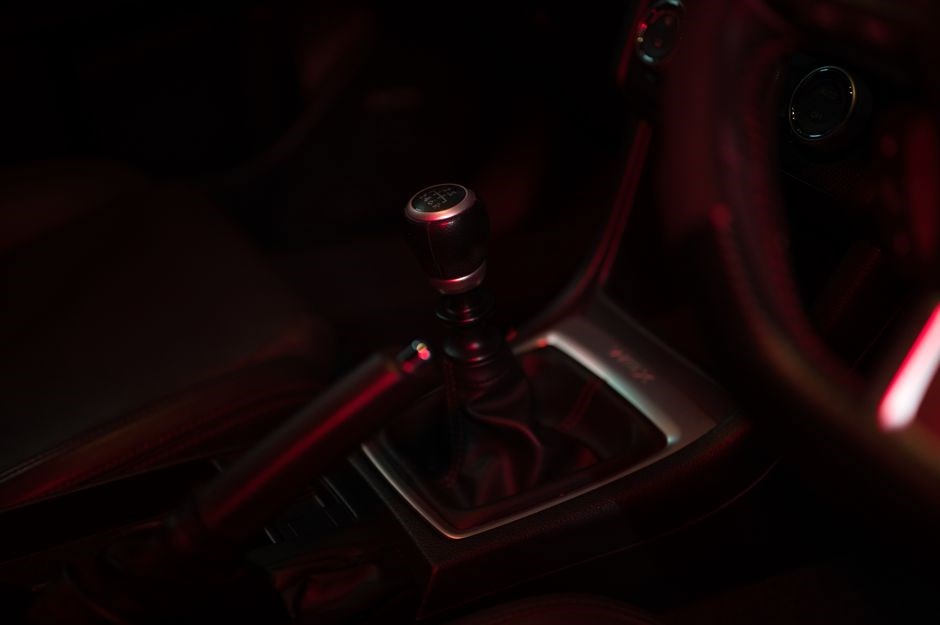
Before you start, review the Forester’s dashboard: the instrument cluster displays speed, fuel, and diagnostic icons․ The central touchscreen, powered by Subaru’s i‑Connect, offers navigation, media, and vehicle settings․ Touch gestures—swipe left or right to cycle menus, pinch to zoom maps—make navigation effortless․ The steering wheel houses multifunction buttons: a driver‑side button for voice‑activated controls, a center button for quick infotainment access, and a right‑side button to toggle driver‑assist features․ The gear selector on the center console supports both automatic and manual modes; a simple press of the “P” button locks the transmission, while “R” engages reverse․ The “Drive” button beneath the gear shift activates the AWD system, providing instant traction․ The infotainment screen offers a “Quick‑Set” panel that displays frequently used functions such as Bluetooth pairing, climate control, and the “Eco‑Mode” toggle․ The climate control panel, located on the left side of the console, features a digital temperature display and a multi‑zone selector․ The rear‑view camera, integrated into the display, activates automatically when the vehicle is in reverse․ The driver’s seat includes a height‑adjustable lever and a lumbar support slider, ensuring ergonomic comfort․ The vehicle’s safety suite—pre‑collision braking, lane‑departure warning, and adaptive cruise control—can be monitored via icons on the cluster․ The “Settings” menu allows customization of alert thresholds, display brightness, and language preferences․ Finally, the owner’s manual’s “Quick‑Start” guide walks you through key functions, safety checks, and ignition steps, ensuring you’re ready for a safe, enjoyable drive․ Additionally, the manual explains how to use the vehicle’s regenerative braking system, adjust the suspension settings for different road conditions, and set up the driver‑assist alerts for optimal safety․ It also details the procedure for updating the infotainment software and resetting the vehicle’s maintenance reminders․ By following these guidelines, owners can maintain peak performance and extend the Forester’s lifespan․
Driving and Handling (Transmission, AWD)
Subaru’s 2024 Forester delivers a blend of agility and stability, thanks to its continuously variable transmission (CVT) and Symmetrical All‑Wheel Drive (AWD) system․ The CVT, electronically controlled, provides seamless power delivery by eliminating fixed gear ratios, which enhances fuel efficiency and smooth acceleration․ When you shift from “P” to “D,” the transmission automatically adjusts the ratio to match road conditions, whether cruising on a highway or navigating a winding mountain pass․ The “Sport” mode, accessible via the gear selector, tightens the CVT’s response, offering a more engaged driving feel for spirited maneuvers․ Symmetrical AWD is the cornerstone of the Forester’s handling prowess․ The system distributes torque between the front and rear axles through a center differential, allowing for balanced traction on varied surfaces․ In low‑traction scenarios, the AWD can send up to 70% of the power to the rear wheels, improving stability․ The vehicle’s electronic stability control (ESC) works in tandem with the AWD to detect and correct understeer or oversteer by selectively applying brakes to individual wheels․ The “Low‑Rider” mode, available in the infotainment menu, temporarily reduces the center differential’s torque bias to enhance cornering performance on slick roads․ The vehicle’s suspension, a MacPherson strut front and multi‑link rear, is tuned for both comfort and handling․
Maintenance Schedules
Regular upkeep keeps the 2024 Forester running smoothly․ The owner’s manual lists service intervals in miles and months․ The oil and filter change every 7,500 miles or 12 months, whichever comes first, using synthetic blend 0W‑20․ The front and rear brake pads should be inspected at 12,000 miles; replace when pad thickness falls below 3 mm․ Tire rotation is recommended every 7,500 miles to promote even wear․ The cabin air filter changes at 15,000 miles, while the engine air filter at 30,000 miles․ The coolant should be flushed and replaced every 60,000 miles, and the transmission fluid every 60,000 miles for the CVT․ Spark plugs are due at 100,000 miles․ The timing belt is not present in the CVT model, but the timing chain is inspected at 100,000 miles․ The battery should be tested annually, and the alternator inspected at 30,000 miles․ A full diagnostic check is advised at 50,000 miles to ensure all electronic systems are functioning․ Following these intervals helps maintain warranty coverage and ensures optimal performance․
Subaru recommends checking the power steering fluid at 6,000 miles for clarity and level․ Inspect suspension bushings and shocks at 30,000 miles for wear and leakage․ Update the ECU software during routine service to keep infotainment and safety systems current․ Regular brake checks, including the ABS module, are essential for safety․ Keeping the vehicle clean helps prevent corrosion and preserves resale value․ Extend Forester’s life!․

Troubleshooting Common Issues

Engine misfire or hesitation often signals a faulty spark plug, clogged fuel injector, or a vacuum leak․ Inspect the spark plugs at 30,000 mi and replace if gaps exceed 0․7 mm․ Check the fuel filter for clogging; replace every 60,000 mi․ A vacuum leak can be detected by a sudden increase in idle speed; use a smoke machine or listen for a hissing sound․ If the engine stalls, verify the battery voltage is above 12․6 V and the alternator output is 13․8 V․ A weak battery may cause the starter to click; replace the battery if it fails a load test․

The AWD system may trigger a “System Fault” warning if the differential fluid is low or the sensors misread wheel speed․ Drain and refill the differential fluid every 60,000 mi․ Check the wheel speed sensors for dirt or damage; clean with isopropyl alcohol․ If the “Low Tire Pressure” light remains on, inspect the tire pressure monitoring system (TPMS) sensors; replace any sensor that shows a 0 kPa reading․ Brake squeal after a long drive can indicate worn pads; inspect pad thickness and replace if below 3 mm․ A squeaking ABS module may require a diagnostic reset via the OBD‑II port․
Electrical gremlins such as a dead headlight or dim interior lights often stem from a corroded battery terminal or a blown fuse․ Clean terminals with a wire brush and apply dielectric grease․ Verify the fuse rating matches the specification in the fuse diagram․ If the infotainment screen freezes, clear the cache by disconnecting the 12‑V battery for 10 minutes․ The Subaru OnStar system may lose connectivity if the antenna is obstructed; ensure the antenna is not covered by a roof rack or cargo box․ For persistent issues, schedule a service appointment to run a full diagnostic scan, which will read trouble codes and guide the technician to the root cause․
If the check engine light remains illuminated after a reset, consult a Subaru dealer for advanced diagnostics․ Always keep a log of service dates and mileage to track recurring problems․
Digital vs․ Printed Copies
Conversely, the PDF version is lightweight, searchable, and can be updated automatically in 2024․ Many owners appreciate the convenience of having the manual on a USB stick or in a cloud folder, allowing instant access from any device․ For those who drive in remote areas, a printed copy ensures you never lose the information you need, even if the infotainment system is offline․ quick look‑up now!

Legal and Warranty Notes
The 2024 Subaru Forester manual contains essential legal disclosures and warranty information that owners must review․ It outlines the standard limited warranty covering parts and labor for 3 years/36,000 miles, as well as the powertrain warranty of 5 years/60,000 miles․ The document also details the extended coverage options available through Subaru’s extended warranty plans, including the 10‑year/100,000‑mile powertrain protection․ Additionally, the manual explains the conditions for warranty eligibility, such as proper maintenance, use of approved Subaru parts, and adherence to the recommended service schedule․ It highlights the importance of keeping all service records and receipts, as these are required for warranty claims․ The legal section addresses consumer rights, the right to a repair or replacement, and the process for filing a claim․ It also includes a disclaimer that the information provided is subject to change and that Subaru reserves the right to modify warranty terms․ Finally, the manual reminds owners that failure to comply with the maintenance schedule or use non‑approved parts may void the warranty, and it directs readers to the dealership or the official Subaru website for further assistance or clarification․ Owners are encouraged to keep a digital copy of the manual for quick reference during service visits, as many dealerships now accept electronic proof of ownership and warranty status․ The manual also lists the steps to take if a vehicle is involved in an accident, including how to file a claim with Subaru’s roadside assistance and the documentation required for a successful repair․ By following the guidelines outlined in the manual, owners can avoid unnecessary delays and ensure that their Forester remains compliant with all safety and warranty requirements․ Owners may request a hard copy!!!