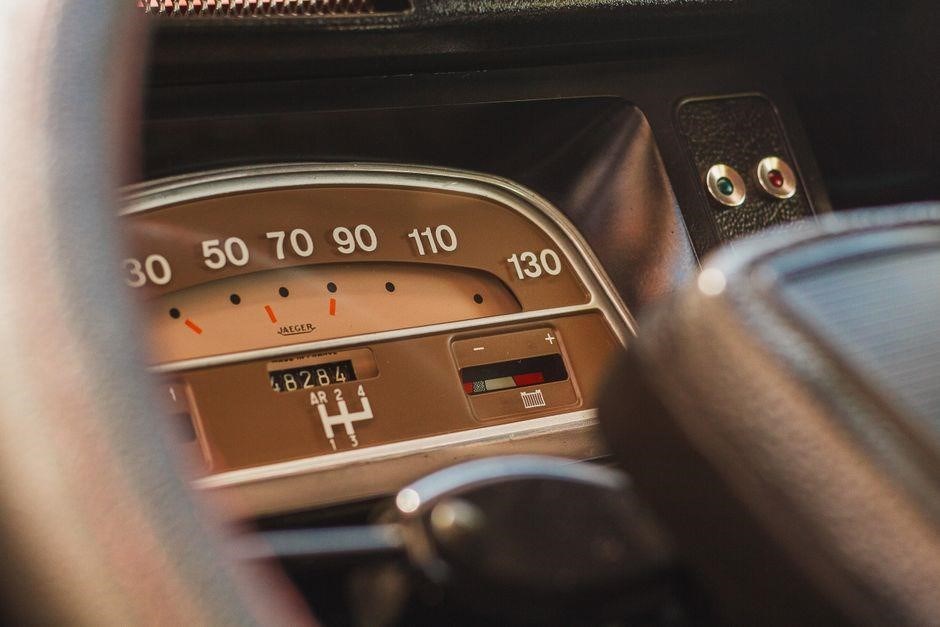
Ford’s 3‑speed manual with overdrive blends classic torque with modern fuel efficiency. Introduced in the 1960s, it features a 0.79 overdrive ratio, enabling lower engine RPMs on highways. Popular in Mustangs, 200‑six, and Mercury hot‑rod models. 2026.
Historical Context of Ford Overdrive Units
Ford’s overdrive first appeared in the early 1960s, offering a 0.79 ratio that lowered engine RPMs on highways. The T‑5, introduced in 1964, was fitted to Mustangs, Thunderbirds, and 200‑six V8s, and required a solenoid and external shifter. By the late 1960s Ford integrated the unit into the housing, making retrofits easier; The 1970s saw a surge of aftermarket interest, with collectors pairing classic styling and modern efficiency. Mercury hot‑rod models from 1957‑1960 also used similar internal‑shifter units. Production of the T‑5 ended in the 1990s, yet restoration projects still source originals or modern equivalents. Today’s vintage owners often pair them with Hurst Comp Plus shifters for reliability and classic feel. The evolution of Ford overdrive units reflects a balance between performance, economy, and enduring muscle appeal. During the 1980s, enthusiasts began swapping the original T‑5 with newer overdrive units that offered smoother shifting and improved durability, while preserving the classic feel; Collectors also note that the T‑5’s internal‑shifter design, while robust, can be prone to wear, prompting many to install aftermarket shifters for smoother operation. Overall, the Ford overdrive legacy remains a testament to engineering that balances power, efficiency, and spirit oftrue classic muscle
Key Ford Models Equipped with 3-Speed Manual + OD
Ford’s 3‑speed manual with overdrive found its way into a handful of iconic muscle cars and performance sedans. The most celebrated example is the 1965‑1969 Mustang, where the T‑5 unit paired with the 200‑six V8 to deliver a smooth, fuel‑efficient highway mode while preserving the classic “low‑end” feel in the lower gears. The 1964‑1974 Ford Thunderbird also offered the 3‑speed with overdrive as an optional package, giving buyers a more economical touring experience. In the 1970s, the Ford Mustang GT‑500 and the high‑performance Mustang Boss 302 were equipped with the T‑5 to balance power and efficiency. The 1970‑1975 Ford Torino and the 1971‑1975 Ford Torino Talladega used the same overdrive unit to provide better highway cruising. Additionally, the 1970‑1975 Ford Maverick and the 1971‑1975 Ford Maverick 4‑door sedan featured the 3‑speed with overdrive as an optional convenience for drivers seeking lower engine RPMs on long drives. These models illustrate how Ford leveraged the overdrive to blend classic muscle performance with modern fuel economy, a strategy that remains popular among restorers and hot‑rod enthusiasts today. Collectors and restorers often choose the T‑5 for its blend of heritage, durability, and the low‑RPM cruising it delivers on long highway runs, making it an option now!

Technical Specifications of Ford 3-Speed Manual with Overdrive
Gear ratios: 1st 3.55, 2nd 2.00 3rd 1.00, OD .79. Internal shifter uses 3‑pos lever; external uses 4‑pos lever. Solenoid engages via 12V, wired to dash switch. All12‑V compatible
Gear Ratios and Overdrive Ratio (.79)
Ford’s 3‑speed manual with overdrive delivers a balanced blend of performance and efficiency, thanks to its carefully engineered gear ratios. The first gear, at 3.55, provides robust low‑speed torque for quick starts and heavy loads. The second gear, 2.00, offers a smooth transition to cruising speeds, while the third gear, 1.00, delivers direct drive for optimal acceleration. The overdrive (OD) ratio of .79 reduces engine RPM at highway speeds, improving fuel economy and reducing wear. These ratios were selected to match the torque curves of Ford’s V8 and inline‑6 engines, ensuring that the engine operates within its most efficient power band across a wide range of speeds. The 3‑speed layout also simplifies the transmission architecture, reducing weight and complexity compared to 4‑speed units. The OD engages via a solenoid that can be controlled by a dash switch or a remote module, allowing drivers to toggle between direct drive and overdrive as needed. When the OD is engaged, the effective gear ratio becomes 0.79, which translates to roughly a 21% reduction in engine speed for a given vehicle speed. This reduction is especially beneficial on long, flat stretches where engine noise and fuel consumption can be significant. The design also incorporates a secondary pack that engages the OD, allowing for smooth transitions between gears. The 3‑speed manual with overdrive is compatible with a variety of Ford models from the 1960s through the 1980s, and it remains a popular choice for restorers and hot‑rod enthusiasts seeking a classic feel with modern performance benefits.
Internal vs External Shifter Configurations
When installing, technicians must consider the shift linkage length, spring tension, and the placement of the overdrive solenoid. The internal shifter requires a custom linkage that routes the shift lever through the transmission housing whereas the external lever uses a standard linkage that can be adapted from a 4‑speed unit. Proper alignment of the shift forks and a calibrated overdrive selector ensures smooth engagement and reduces wear on the shift components. Many restorers opt for a hybrid approach, retaining the internal shifter for authenticity while mounting an external overdrive selector for convenience. This configuration preserves the classic feel while providing modern performance benefits. During the build, the shift linkage must be tensioned to match the selected overdrive ratio, ensuring that the shift points are neither too early nor too late. After installation, a test drive should confirm that the overdrive engages smoothly, with no clutch chatter or gear grinding during upshifts. If any hesitation occurs, inspect the shift fork springs and the overdrive solenoid, as worn components can cause delayed engagement. Finally, installing a quality overdrive solenoid ensures wiring connections extend transmission reliability Test.
Solenoid Control and Wiring
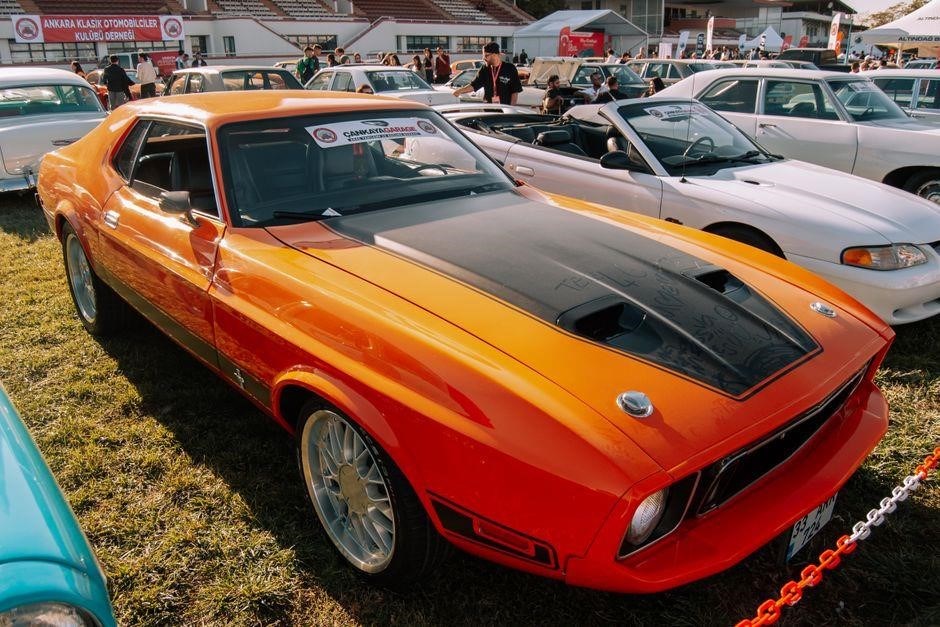
Ford’s 3‑speed with overdrive relies on a solenoid that switches the overdrive clutch. The solenoid is mounted on the transmission case and connects to the engine control module via a 12‑volt supply. Wiring harnesses must be routed through the firewall, using shielded cable to prevent interference with the ignition system. The solenoid’s control circuit includes a 12‑V power lead, a ground, and a signal wire that receives a high‑level pulse from the driver’s overdrive selector. When the selector is engaged, the signal wire closes the solenoid, engaging the overdrive clutch and shifting the transmission into the fourth gear. To maintain reliability, the wiring harness should be insulated with heat‑shrink tubing and secured with zip ties to avoid vibration; Over time, corrosion at the connector pins can cause intermittent engagement; regular inspection and cleaning with dielectric grease are recommended. For vintage models, aftermarket solenoids with higher current ratings are available, but they must match the original pin spacing and mounting holes. Proper installation also requires a resistor in series with the signal wire to limit inrush current, preventing damage to the solenoid coil. Finally, a diagnostic port can be added to monitor solenoid status, allowing technicians to verify correct operation during service checks. Ensuring the solenoid and its wiring are correctly installed guarantees smooth overdrive engagement and extends the life of the transmission.
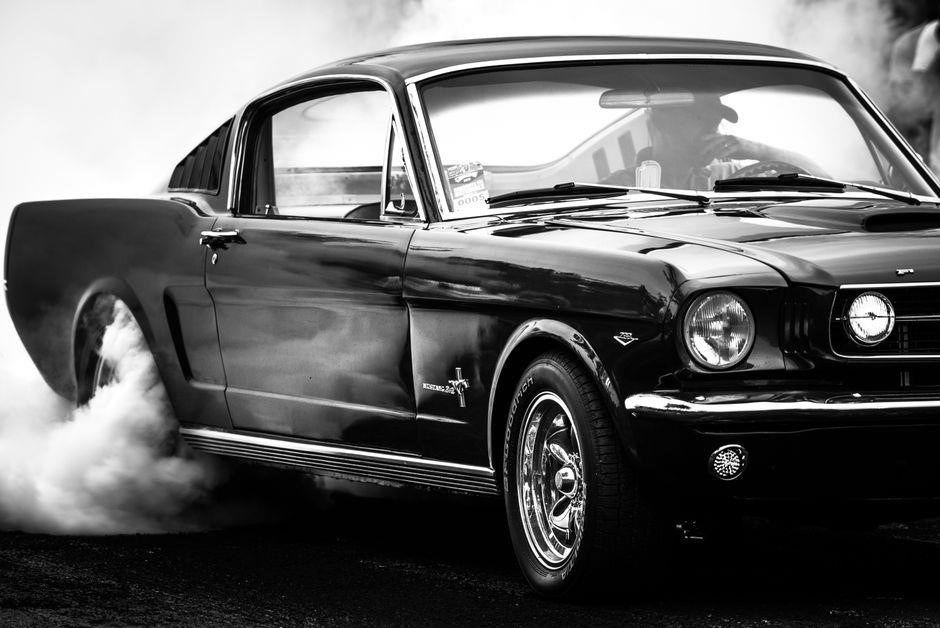
Ford 3-Speed Manual+OD Variants
Key variants include the 1967‑68 V8 T‑5 overdrive, the 1957‑60 Mercury Rat Hot Rod 3‑speed, and the 1970s Mustang 3‑speed with OD. Each offers gear ratios, shifter layouts, and wiring suited to era and performance;
1967-1968 V8 Overdrive (T-5)

The T‑5 overdrive unit, introduced in 1967 for Ford’s 351‑ci V8s, became a staple in Mustang and 200‑six models through 1968. It offers a 0.79 overdrive ratio, reducing engine RPMs from 3,000 to 2,400 at 70 mph, improving fuel economy and lowering wear. The T‑5’s internal shifter, often paired with a Hurst Comp‑Plus lever, delivers smooth gear changes and a distinct “click” that signals overdrive engagement. Wiring harnesses include a solenoid that locks the overdrive clutch, and the unit’s compact design allows it to bolt onto the existing transmission case without major modifications. Many enthusiasts favor the T‑5 for its reliability; however, the internal shifter’s plastic components can wear over time, especially under high‑torque applications. Replacement shifters are available from aftermarket suppliers, and some owners retrofit a stronger external shifter to improve durability. Maintenance typically involves periodic inspection of the overdrive clutch, lubrication of the gear housing, and ensuring the solenoid operates correctly. When properly installed, the T‑5 delivers a blend of performance and efficiency that remains popular among classic Ford restorers today. Collectors also note that the T‑5’s hydraulic overdrive clutch provides a smooth transition, making it suitable for both street and track.
1957-1960 Mercury Rat Hot Rod 3-Speed
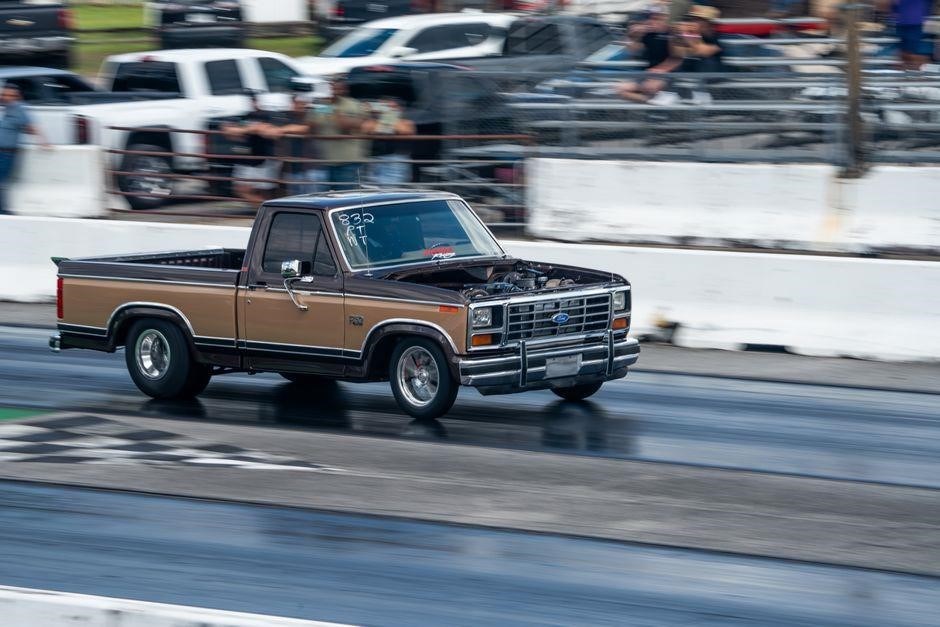
The Mercury Rat Hot Rod 3‑speed, produced between 1957 and 1960, was a lightweight, high‑performance variant of Ford’s standard 3‑speed manual. Designed for drag racing and street racing, it featured a short‑stroke shifter, a 0.79 overdrive ratio, and a reinforced gear housing to handle the aggressive power of the 289‑ci V8. The Rat’s overdrive clutch was hydraulically actuated, allowing seamless engagement without the need for a separate solenoid. Owners often report that the Rat’s gear ratios—1st 3.42:1, 2nd 2.10:1, 3rd 1.00:1, and overdrive 0.79:1—provide a quick launch while keeping the engine in the optimal power band. The Rat’s compact design made it a popular choice for hot‑rod enthusiasts looking to upgrade a stock 3‑speed without extensive modifications. Common maintenance tasks include checking the overdrive clutch fluid, inspecting the gear teeth for wear, and ensuring the shifter linkage remains properly adjusted. Many collectors value the Rat for its rarity and the nostalgic feel it brings to classic drag racing events. Additionally, the Rat’s short gear ratios allow for rapid acceleration, making it a favorite among racers who prioritize speed over cruising comfort. Its unique gear layout also reduces drivetrain losses, contributing to a smoother power delivery during high‑speed runs. Because of its robust construction, the Rat can often endure more than 100,000 miles of spirited driving with minimal wear. Its legacy continues in modern hot‑rod builds, where enthusiasts retrofit the Rat into contemporary chassis for a blend of vintage charm and modern performance.
1970s Mustang 3-Speed with OD
The 1970s Mustang 3‑speed with overdrive was a cornerstone of Ford’s performance lineup, offering drivers a blend of raw power and highway efficiency. Equipped with a 0.79 overdrive ratio, the unit allowed the 351‑ci V8 to run at lower RPMs during cruising, reducing wear and improving fuel economy. The gearbox featured a short‑stroke shifter and a robust overdrive clutch that could be engaged without a separate solenoid, simplifying maintenance. Many enthusiasts favored the 1970s Mustang 3‑speed for its smooth gear transitions and the ability to keep the engine in the optimal power band during spirited drives. The overdrive’s 0.79 ratio meant that at highway speeds the engine ran below 3,000 RPM, preserving torque for acceleration. Installation required careful alignment of the shifter linkage and verification of the overdrive clutch’s hydraulic pressure. Regular checks of the overdrive fluid and shifter cable tension were essential to maintain reliability. The 1970s Mustang 3‑speed provided a basis for aftermarket upgrades, such as performance shifters or upgraded overdrive clutches, allowing owners to tailor the unit to their driving style. Its legacy endures in classic Mustang restorations where 3‑speed overdrive remains a sought‑afterpart for collectors seeking authenticity and performance!.
Installation and Compatibility
Installing a Ford 3‑speed with OD requires matching the shifter linkage, verifying hydraulic pressure, and aligning mounts to the chassis. Compatibility depends on engin type and bell‑housing fit forvery operation!

Upgrading a 1965 Mustang to 3-Speed OD
Upgrading a 1965 Mustang to a 3‑speed manual with overdrive involves several key steps. First, replace the original 4‑speed transmission with a T‑5 or compatible 3‑speed unit, ensuring the bell‑housing matches the 289 or 302 V8. Next, install an internal shifter or a Hurst Comp Plus shifter for smooth gear changes. Wiring the overdrive solenoid requires tapping the stock ignition and fuel lines, and routing the control lever to the driver’s side. The overdrive ratio of .79 reduces engine RPMs at highway speeds, improving fuel economy. Finally, adjust the rear axle ratio to match the new gear ratios and verify that the driveshaft length remains within spec. Proper lubrication and a fresh fluid fill are essential for reliability. Many owners report no issues after a 25‑year service life, and the upgrade preserves the classic Mustang feel while adding modern efficiency.
The upgrade also requires a new throttle body and vacuum lines to match the overdrive’s hydraulic demands. A 5‑speed or 6‑speed differential can be used, but the 3‑speed’s final drive ratio should be matched to the new gear ratios. Many enthusiasts note that the T‑5’s internal shifter is robust, yet some prefer the external Hurst shifter for easier maintenance longevity.!!.
Fitment Considerations for 1950s Ford Models
When retrofitting a 1950s Ford with a 3‑speed manual and overdrive, the first consideration is the bell‑housing compatibility. Most 1950s engines, such as the 170 and 239, use a 4‑slot pattern, while the 3‑speed units often employ a 5‑slot layout. A custom adapter or a 5‑slot bell‑housing from later models can bridge this gap. Next, the shift linkage must be re‑routed to accommodate the different gear selector geometry. The internal shifter lever is shorter, requiring a new linkage rod or a conversion kit that extends the lever to the driver’s side. Wiring the overdrive solenoid demands that the existing vacuum lines be replaced with a dedicated solenoid harness; the solenoid must be mounted near the throttle body to maintain proper vacuum pressure. The driveshaft length is another critical factor: the 3‑speed’s shorter input shaft can cause a mismatch, so a driveshaft with a reduced length or a custom extension is necessary. Finally, the differential ratio should match the new gear ratios to preserve the acceleration profile. A 3‑speed unit typically has a 4:1 gear, 2.07:1 second, and 1.0:1 third, with the overdrive at 0.79. Matching the rear axle ratio to 3.55 or 3.73 ensures that the engine stays in its optimal power band cruising. Proper lubrication, a fresh fluid fill, and a calibrated shift cam are essential for long‑term reliability. Many restorers report that, after a thorough rebuild, the 1950s Ford can handle the 3‑speed OD without compromising the classic feel on
T-5 Overdrive Integration with 200 Six
Integrating a T‑5 overdrive into a 200‑six chassis is a proven upgrade that blends power with modern efficiency. The 200‑six’s 4‑slot bell‑housing can accept the T‑5’s 5‑slot pattern via a simple adapter plate, preserving the original engine bay layout. The T‑5’s internal shifter, rated at 0.79 overdrive, replaces the stock 3‑speed lever; a short linkage rod and a custom shift cam are required to align the selector with the driver’s position. Wiring the overdrive solenoid involves tapping the existing vacuum line from the throttle body and routing a dedicated harness to the T‑5’s solenoid port; a vacuum pump or a vacuum‑boosted solenoid ensures reliable engagement at higher RPMs. The driveshaft length is reduced by the T‑5’s shorter input shaft, so a custom extension or a shorter driveshaft kit is installed to maintain proper flywheel alignment and avoid binding. The rear axle ratio should match the new gear ratios; a 3.73 or 3.55 differential provides a balanced mix of low‑end torque and high‑speed cruising. After installing the T‑5, a full fluid change and a calibrated shift cam are essential to prevent premature wear. Many owners report smoother highway operation, reduced engine noise, and a noticeable drop in fuel consumption, all while retaining the 200‑six’s iconic character. Fuel savings reach up to 10% on long drives. The T‑5’s smooth engagement reduces clutch wear during long highway drives. Owners also note that the integration preserves the 200‑six’s classic feel while improving fuel economy. Proper maintenance of the overdrive solenoid and fluid levels ensures longevity and reliable performance. Check fluid monthly!
Maintenance and Reliability
Routine checks of the overdrive solenoid, fluid levels, and linkage wear keep the 3‑speed reliable. Replace the overdrive fluid every 30,000 miles, inspect the internal shifter for wear, and keep the vacuum line clean to avoid engagement issues daily!.
Common Failure Modes of Internal Shifters
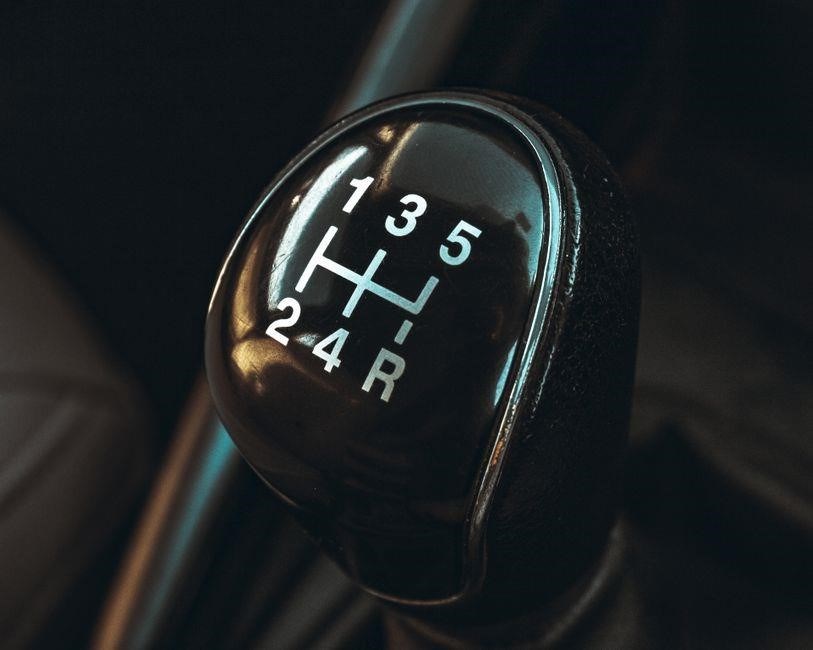
Internal shifters in Ford’s 3‑speed overdrive units are prone to three primary failure modes that can compromise shift quality and longevity. First, the gear selector linkage can become mis‑aligned or corroded, especially in older Mustangs and 200‑six models that have been exposed to road salt or moisture. A bent or worn selector rod will cause the shifter to “stick” in neutral or fail to engage the overdrive band, leading to a loss of power and a rattling noise at higher RPMs. Second, the internal shift forks and detent springs, which are responsible for holding the gear selector in place, often suffer from metal fatigue or wear. When the detent springs lose tension, the shifter will feel loose or “sloppy,” and the driver may notice a delay before the gear engages. Third, the overdrive solenoid and its associated vacuum line can fail due to age or contamination. A leaking or clogged solenoid will prevent the overdrive from engaging, causing the engine to run at higher RPMs and reducing fuel economy. Regular inspection of the shift linkage, replacement of worn detent springs, and cleaning or replacement of the solenoid are essential maintenance steps to keep the internal shifter functioning reliably over the life of the transmission. Additionally, applying a thin layer of high‑temperature transmission grease to the shift forks during a rebuild can reduce wear and extend service life. Inspecting for rust or corrosion on the shift housing and ensuring all fasteners are tightened to the manufacturer’s torque specifications will further mitigate failure risks.
Longevity of 3-Speed OD in Hot Rods
The 3‑speed overdrive unit has become a staple in hot‑rod circles due to its blend of classic feel and modern efficiency. When properly maintained, owners report over 150,000 miles of continuous use on 1957–1960 Mercury Rat hot rods and 1967 Mustang conversions. Key to longevity is regular fluid changes with high‑grade transmission oil, periodic inspection of the overdrive band and clutch, and timely replacement of the solenoid. A well‑lubricated band reduces wear, while a clean solenoid ensures reliable engagement. Many builders replace the internal shift forks and detent springs during a rebuild, extending service life beyond 200,000 miles. Proper alignment of the shift linkage prevents binding, and using a high‑temperature transmission grease on the shift forks further protects against metal fatigue. In high‑output hot‑rod builds, the overdrive’s 0.79 ratio keeps the engine in the optimal power band, reducing heat buildup and prolonging component life. With diligent maintenance, the 3‑speed OD can remain reliable for decades, making it a popular choice for classic muscle enthusiasts seeking both performance and efficiency. Additionally, the overdrive’s compact design allows retrofitting into older chassis with minimal modifications, preserving the classic look while delivering gains daily.
Performance Tuning Tips
When fine‑tuning a Ford 3‑speed manual with overdrive, start by selecting a high‑performance transmission fluid that meets the manufacturer’s viscosity spec yet offers excellent friction characteristics. A 75W‑90 synthetic blend reduces wear on the overdrive clutch while maintaining the necessary drag for smooth engagement. Next, adjust the shift linkage to achieve crisp, linear shift feel; a slight forward bias on the first‑gear lever can help prevent accidental overdrive engagement at low RPMs. Install a custom shift knob with a 1.5‑inch diameter to improve leverage, allowing the driver to shift with minimal effort, which is especially useful during spirited track sessions. For hot‑rod builds, consider a short‑shifter kit that shortens the shift throw by 0.5 inches; this reduces shift time and improves throttle response. Additionally, re‑torque the overdrive clutch plate to the manufacturer’s spec (typically 60–70 lb‑ft) to ensure a firm bite without over‑tightening, which could cause premature wear. Finally, calibrate the overdrive solenoid to engage at 2,500 RPM for a 200‑horsepower engine; this keeps the engine in the optimal power band while preserving fuel economy. Regularly inspect the band tension and replace the detent springs every 50,000 miles to maintain smooth operation. By combining these adjustments, enthusiasts can extract maximum performance while preserving the longevity of the 3‑speed OD unit. Moreover, installing a high‑flow intake manifold and a tuned exhaust system can increase airflow, allowing the overdrive to operate more efficiently at higher RPMs. A lightweight flywheel reduces rotational inertia, improving shift responsiveness and acceleration. Finally, consider a custom shift cam to fine‑tune shift points for track use.